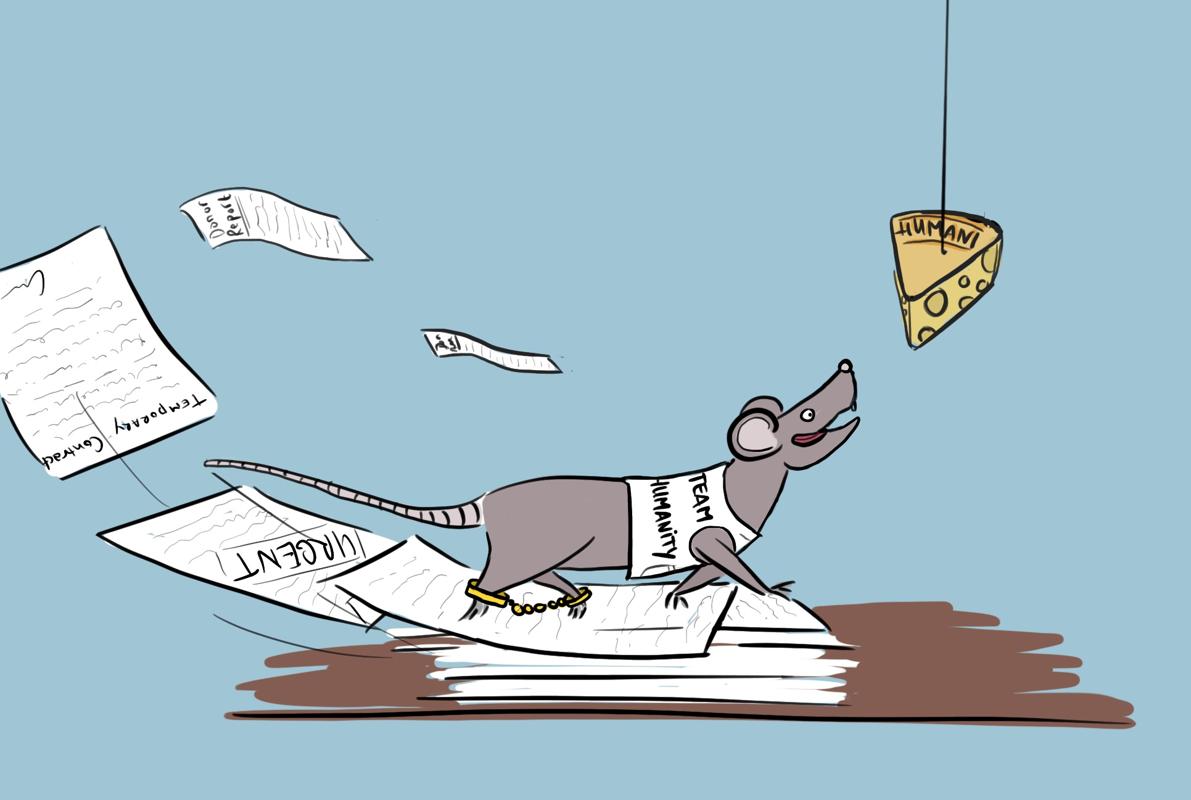
The Golden Handcuffs
At 28, Kevin was the “success story” of his village.
To the outside world, he had made it. He drove a sleek car, lived in a gated apartment in Nairobi, dressed well, and his phone buzzed every month with a KSh 250,000 salary notification.
His social media told an even better story.
But behind the tinted windows, polished counters, and carefully maintained image, Kevin was struggling.
He wasn't broke.
He was financially trapped.
The Illusion of Wealth
Kevin wasn't building a life. He was maintaining a lifestyle.
His salary was like a relay baton. He caught it once a month and immediately passed it to the bank, the landlord, the car dealership, utility companies, subscriptions, and everything else required to keep his lifestyle running.
By the time the month was halfway through, very little remained.
Then came the wake-up call.
His employer delayed payroll by just two weeks.
Suddenly, the lifestyle that looked so comfortable from the outside began to crack.
- The calls about outstanding payments started.
- The fuel gauge moved closer to empty.
- Bills that normally felt manageable suddenly became urgent.
- Sleep became difficult because every unpaid obligation was running through his mind.
Kevin finally confronted an uncomfortable truth:
He wasn't wealthy. He was surviving expensively.
The Golden Handcuffs
Kevin had what many people dream about—a good salary, a nice car, a good apartment, and a respected job.
Yet those same things had become his trap.
The bigger his income became, the bigger his commitments became.
A higher salary meant a better car.
A better car meant a larger loan.
A larger apartment meant higher rent.
A more expensive lifestyle meant more monthly obligations.
And more obligations meant he could never comfortably walk away from his job.
Those were his golden handcuffs.
They looked like success, but they limited his freedom.
The Upcountry Epiphany
A few weeks later, Kevin travelled upcountry to visit his uncle.
His uncle lived a very different life.
He didn't have a corner office. He didn't wear designer suits. He drove an old 2010 pickup and lived in a modest home.
Yet there was something Kevin noticed immediately.
His uncle seemed free.
There was no panic when a bill arrived. No obsession with payday. No fear of a temporary interruption in income.
One evening, while they sat outside talking, Kevin asked him how he had managed to build such a peaceful life.
His uncle smiled and said:
“Kevin, money is not only what you earn. It is what you build that continues working for you.”
That sentence stayed with him.
His uncle's wealth wasn't simply sitting in a bank account.
It was in the structure he had built over many years.
1. Income-Producing Assets
He had invested in rental units that generated regular income.
2. Long-Term Investments
He had consistently saved and invested through structured financial institutions, including his SACCO.
3. A Business That Could Grow
He had built a small business with systems that allowed it to operate without requiring his attention every minute of every day.
Kevin began to understand the difference between earning money and building wealth.
The Great Downgrade
When Kevin returned to Nairobi, he made a decision that surprised everyone.
He was going to change his definition of success.
He didn't need to look rich.
He needed to become financially stronger.
So he started making uncomfortable choices.
He Cut the Ego
He traded his expensive car for a practical one.
He moved into a more affordable apartment.
He stopped spending money simply to maintain an image.
He Prioritized Building
Instead of treating his SACCO contributions as money disappearing from his salary, he began looking at them as part of his long-term financial foundation.
Every contribution represented another step toward greater financial security.
He Invested in Assets, Not Appearances
Instead of constantly upgrading his phone, clothes, and lifestyle, Kevin began directing more of his money toward investments and assets.
He bought land.
He increased his savings.
He invested consistently.
Most importantly, he became patient.
There was no overnight transformation.
No viral success story.
No flashy announcement.
Just years of quiet financial discipline.
Five Years Later
Five years passed.
Kevin was still working.
But something had changed.
His investments and other income sources had grown enough to cover a meaningful portion of his basic expenses.
His salary was no longer the only thing keeping his life running.
For the first time, Kevin had something he had never truly had before:
financial breathing room.
He could make decisions without immediately asking, “How will I survive if I lose my salary?”
He still wanted to work.
But now, he was working because he had choices—not because he was completely trapped.
That was his real definition of wealth.
Not having everything. Having options.
The African Advantage: Wealth Can Be Built Together
In Africa, community has always been one of our greatest financial strengths.
From SACCOs to Chamas, cooperatives, investment groups, and community-based financial organizations, people have long understood the power of pooling resources, saving consistently, investing together, and supporting one another.
But good financial ideas need good systems.
As these organizations grow, managing members, savings, loans, repayments, dividends, transactions, and financial records manually becomes increasingly difficult.
Members expect transparency.
Managers need accurate information.
Leaders need reliable reports.
And organizations need systems that can grow with them.
This Is Where Technology Matters
AfriCore-OS is built to help African financial organizations operate with greater efficiency, transparency, and control.
By digitizing core financial operations, AfriCore-OS helps organizations manage areas such as:
- Member management
- Savings and contributions
- Loan management
- Repayments and collections
- Accounting and financial records
- Real-time reporting
- M-Pesa and digital payment integration
- Member information and portfolio visibility
The goal isn't simply to replace paperwork with software.
The goal is to help financial organizations build stronger systems for growth.
Because when financial systems become more efficient, organizations can spend less time fighting administrative problems and more time serving their members.
Wealth Needs Structure
Kevin's story is not really about giving up a nice car.
It is about changing the question.
Instead of asking:
“How much can I afford to spend?”
he started asking:
“How much can I build?”
Instead of asking:
“How impressive does my life look?”
he started asking:
“How sustainable is my life?”
And instead of measuring success by the size of his salary, he began measuring it by the strength of the financial foundation he was building.
That's a lesson individuals can apply.
It's also a lesson financial organizations can apply.
Money needs structure.
Savings need discipline.
Investments need patience.
And financial institutions need reliable systems.
The Bottom Line
A bigger salary can improve your lifestyle.
But a stronger financial foundation can improve your freedom.
Don't spend your entire life chasing a higher income just to finance a more expensive lifestyle.
Build assets.
Save consistently.
Invest patiently.
Use financial institutions and community structures wisely.
And build systems that can continue working even when you are not personally involved in every transaction.
Because true wealth isn't simply about how much money comes into your account.
It's about what remains, what grows, and what continues working after the salary arrives.
So, ask yourself:
Are you building a lifestyle that requires your income to survive—or a financial foundation that gives you the freedom to choose your future?
The golden handcuffs may look like success.
But financial freedom begins when you no longer need them.
AfriCore-OS — Built in Africa. For Africa.
Powering smarter financial operations for SACCOs, MFIs, cooperatives, and financial organizations.
1 Comment
Life is a choice welcome to africore-os and see
Leave a Comment
Your comment will appear after moderation.